


SHORT BIO:
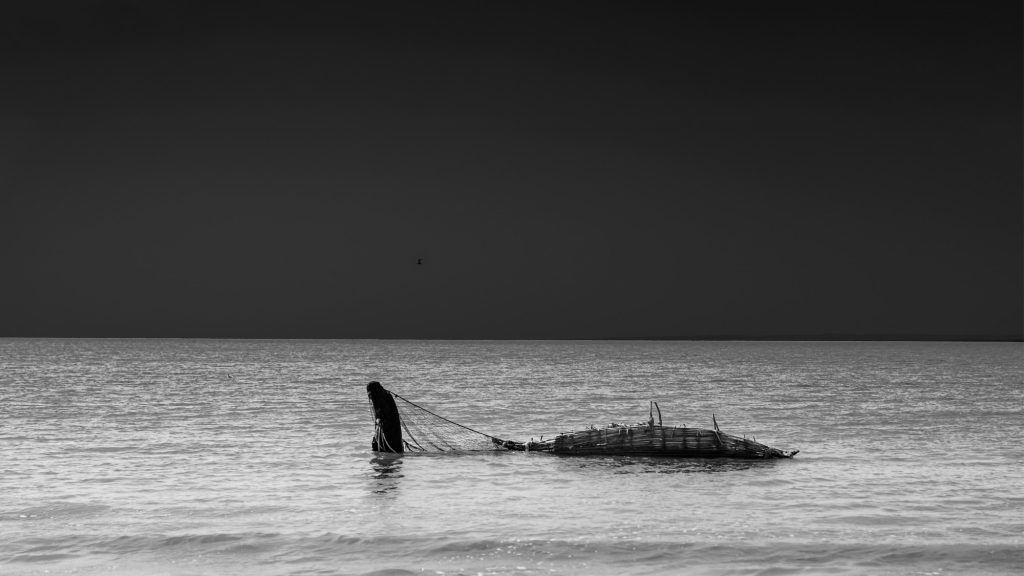
MJ Golzari (b. Iran) lives and works in United States. He is a Photographer, filmmaker, writer, and naturalist.
Through experiences, historical collective moments, elements, and imagination, his works seek to evoke thoughts, feelings and emotions that delve deeply into the essence of “humanity.” His works reintroduce us to our immediate surroundings and beyond by penetrating our everyday life experiences and the meanings we know. He describes this process of getting reacquainted as an opportunity to become more truthful and precise.
1. Was there a particular event or time that you recognized that filmmaking is your way of telling stories?
I’ve always been drawn to the arts, especially photography and music. But there was a moment, watching a particular film, when everything changed. Something inside me shifted. I was overwhelmed by emotions I had never experienced so intensely before, and I realized I wanted to create that same feeling in others. That’s when I understood the true magic of cinema: its ability to weave all art forms into one powerful experience. From that moment on, I immersed myself in filmmaking, watching, creating, and letting it become the language through which I understand and express the world.
2. Do you think it is essential to go to a film institute in order to become a successful filmmaker?
Not necessarily. I believe a good filmmaker must understand the craft, whether that’s learned through formal education or by experimenting independently. What matters is gaining hands-on experience. But even that doesn’t guarantee success.
To me, what truly defines a filmmaker is their perspective on life. The emotions they’ve felt, the memories they carry, the culture they come from, all of these shape the stories they tell. A powerful film often holds something deeply personal, something lived and felt. No school can teach you how to live with awareness, empathy, or wisdom. That comes only from engaging deeply with life itself, and it’s what gives a film its soul.
3. Is it harder to get started or to keep going? What was the particular thing that you had to conquer to do either?
Both are hard in different ways. Being a filmmaker means living in constant conflict, with the world, with yourself, and with the uncertainty of creation. For me, it took nearly a decade from the moment I entered the film industry as an assistant editor to finally making my first film. That journey demanded patience, self-belief, and endurance. “Placenta”, my first short, came from a deeply personal place, and to this day, I’m proud of what it represents.
But after making more films, I’ve realized that starting is only one mountain. The real challenge is to keep going. Doubts grow louder. Resources shrink. The world doesn’t always make space for your vision. And yet, I feel filmmakers have a calling, like prophets of perception, to draw attention to what’s often overlooked, to reflect something meaningful back to the world. That sense of responsibility keeps me moving forward, even when it’s hard.
4. What was the most important lesson you had to learn that has had a positive effect on your film? How did that lesson happen?
The most important lesson I’ve learned is perseverance, to keep going, no matter what stands in the way. There are always unexpected challenges between the filmmaker and the finished film: limited resources, technical setbacks, creative doubts. But I’ve come to believe that if you stay with it, the film will find its way.
Over time, I’ve also realized something else: filmmakers don’t fully control what their films become. Especially in independent filmmaking, so much is shaped by circumstances beyond your plan like: accidents, limitations, even failures. But these moments often guide the film toward something more honest, more alive. It’s as if the film itself chooses what it wants to be, and your job is to listen and adapt.
5. What were the production realities from casting through editing that you had to accommodate? How did you navigate those compromises or surprises and still end up with a cohesive film?
Pre-production is always intense, but for me, production is where the real chaos begins. No matter how much you plan, something always shifts, time runs out, weather changes, actors get sick, or unexpected conflicts arise on set. Those surprises can completely alter your original vision.
As a filmmaker, I’ve learned to adapt quickly and think in service of the film, not my ego. When something doesn’t go as planned, I don’t see it as a failure, I try to see it as the film evolving. The key is to face the reality of what you have and make the best creative choices with what’s available. Some of the most powerful moments in my films were born from those very limitations.
6. What was the hardest artistic choice you made in the making of a film, at any stage in production?
For me, the hardest artistic choice is always at the very beginning, choosing the idea. It may sound simple, but deciding to fully commit to a concept, knowing the pressure, challenges, and sacrifices that come with making a film, is incredibly difficult.
You have to believe, in the idea itself, in your ability to bring it to life, in your team, and in the uncertain journey ahead. There’s always a moment where you stand at the edge and decide: Yes, this is the story I’m going to tell. That decision carries weight, because once you choose it, you’re giving everything to it. And for me, that first act of trust is the most personal and difficult artistic choice.
7. You are a collaborator. How have you discovered members of your team and how do you keep the relationship with them strong?
Filmmaking is a deeply collaborative art form. Every team member carries part of the creative and logistical weight that brings a film to life. When I build a team, I look for three qualities above all: responsibility, creativity, and problem-solving skills. These traits not only help the production run smoothly but also shape the artistic outcome.
I’ve learned that a great collaborator can become a long-term creative partner. As time passes and you work together on more projects, you start to understand each other’s rhythms, strengths, and vision more deeply. I try to nurture those relationships by staying honest, supportive, and open, both during and beyond the production process.
8. What do audiences want? And is it the filmmaker’s role to worry about that?
As an independent filmmaker, I believe it’s essential to preserve and promote new voices in cinema. If we limit films only to what we think certain audiences want, we risk restricting the creative potential of the medium itself.
I don’t create with a specific audience in mind. Instead, I focus on making something honest, something that speaks to a truth I feel. I trust that every film has its own audience, and if the work is authentic, they’ll find each other naturally. So no, I don’t think it’s the filmmaker’s job to cater to audience expectations. It’s their job to express something real, and that’s what audiences are truly looking for, whether they know it or not.
9. What role have film festivals played in your life so far? Why are they necessary? How do you get the most out of them?
I’m still at the beginning of my journey as a filmmaker submitting to festivals, but even in these early stages, I’ve seen how essential they are. Festivals create a space where your work can connect with others — not just audiences, but fellow filmmakers, curators, and potential collaborators. They help your film exist beyond the screen, opening doors for conversations, exposure, and future opportunities.
10. Do you believe that a filmmaker should be original and fresh or he/she should stick to classic but safe cinema style?
Art is meant to evolve, and cinema is no exception. While learning the classics is essential, they give us a foundation, I believe a filmmaker’s responsibility is to push boundaries, not stay within them. Sticking to a “safe” style might work for some, but true impact comes from taking risks, thinking outside the box, and offering something fresh.
Originality doesn’t mean rejecting the past, it means building on it in a way that reflects your own voice. The filmmakers who shape the future are the ones brave enough to challenge tradition and create something new.

